The Importance of User-Centric Design in Web Development
The Importance of User-Centric Design in Web Development
 hananshoukat84
In today’s digital landscape, where users have endless choices and limited patience, designing a website that merely looks good isn’t enough. A successful website must be built around the needs, expectations, and behaviors of its users—this is the essence of user-centric design (UCD).
In this blog, we explore what user-centric design means, why it matters, and how to implement it effectively in web development projects.
👤 What Is User-Centric Design?
User-centric design is a design philosophy that places the user at the heart of every design decision. Instead of starting with aesthetics or business goals alone, it starts with user needs, preferences, and experiences.
It involves:
- Understanding who your users are
- Identifying their goals and pain points
- Designing interfaces that are intuitive, accessible, and enjoyable to use
🧠 Why User-Centric Design Matters
Here are key reasons why UCD is critical in modern web development:
1. Improves Usability and Accessibility
Websites built with users in mind are easier to navigate, understand, and interact with. UCD ensures:
- Clear calls to action (CTAs)
- Logical site architecture
- Inclusive features for people with disabilities
2. Enhances User Satisfaction and Retention
When users can accomplish tasks quickly and effortlessly, they’re more likely to return and recommend your site.
📈 A good user experience = longer visits, higher engagement, and lower bounce rates.
3. Drives Conversions and Business Goals
By aligning the user journey with business objectives (like form submissions or product purchases), UCD helps turn visitors into leads or customers.
It’s not just about design—it’s about user behavior optimization.
4. Reduces Development Costs Over Time
Designing with the user in mind from the beginning helps avoid costly revisions later. It minimizes:
- Rework due to poor UX
- Customer support requests
- Abandoned transactions or tasks
🔄 Core Principles of User-Centric Design
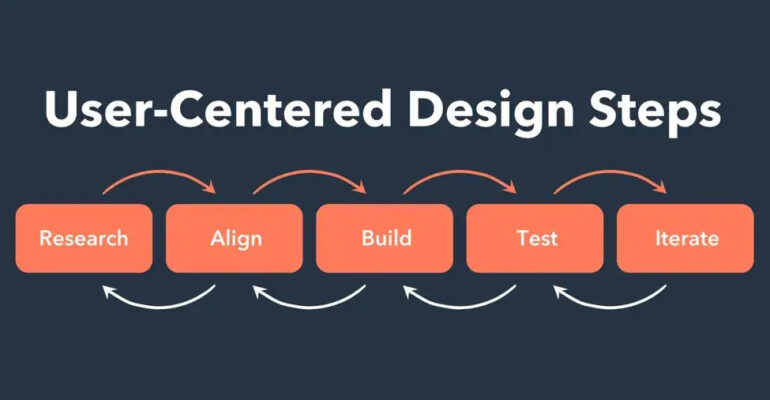
1. User Research
Understand who your users are through:
- Surveys & interviews
- User personas
- Analytics data
- Competitor analysis
2. Information Architecture
Organize content logically to ensure users can find what they need with minimal effort.
✅ Clear menus
✅ Categorized content
✅ Search functionality
3. Visual and Interaction Design
Design layouts that are:
- Visually appealing
- Mobile responsive
- Easy to interact with (e.g., buttons, forms, navigation)
Ensure contrast, font sizes, and spacing are accessible and readable.
4. Prototyping and User Testing
Before launch, test designs with real users to gather feedback.
✅ Identify friction points
✅ Validate assumptions
✅ Iterate before final deployment
5. Continuous Improvement
UCD doesn’t stop at launch. Monitor performance and user behavior over time, and refine the design based on:
- Heatmaps
- Session recordings
- Conversion analytics
🛠 Tools That Support User-Centric Design
- Figma / Adobe XD – for wireframing and prototyping
- Hotjar / Crazy Egg – for heatmaps and user interaction analysis
- Google Analytics – for behavior tracking
- UserTesting / Maze – for user feedback and testing
- Web Content Accessibility Guidelines (WCAG) – for designing accessible websites
📱 Real-World Example
E-Commerce Site Before UCD:
- Cluttered homepage
- No mobile optimization
- Complicated checkout process
Result: High cart abandonment rate.
After UCD Implementation:
- Simplified navigation
- Streamlined mobile-friendly design
- One-click checkout
Result: 35% increase in completed purchases.
✅ Benefits of User-Centric Design
| Benefit | Outcome |
|---|---|
| 🎯 Increased Conversions | Higher sales, sign-ups, and engagement |
| 🧭 Better Navigation | Users find what they need faster |
| 📱 Mobile Optimization | Positive experience across all devices |
| ♿ Improved Accessibility | More inclusive and legally compliant design |
| 📊 Informed Design Decisions | Based on data, not assumptions |
🏁 Conclusion
In web development, designing for your users is designing for success. User-centric design ensures that your website is not just functional, but intuitive, accessible, and impactful. It aligns your digital presence with the people who matter most—your audience.
Whether you’re redesigning an existing website or building from scratch, start by asking:
“What does the user need, and how can we make it easier for them?”
That’s the mindset that leads to powerful digital experiences.
Need help creating a user-centric website?
Our web development team specializes in crafting websites that don’t just look good—they work for your users. Contact us for a free consultation.